Kaizen: The Secret To Progress
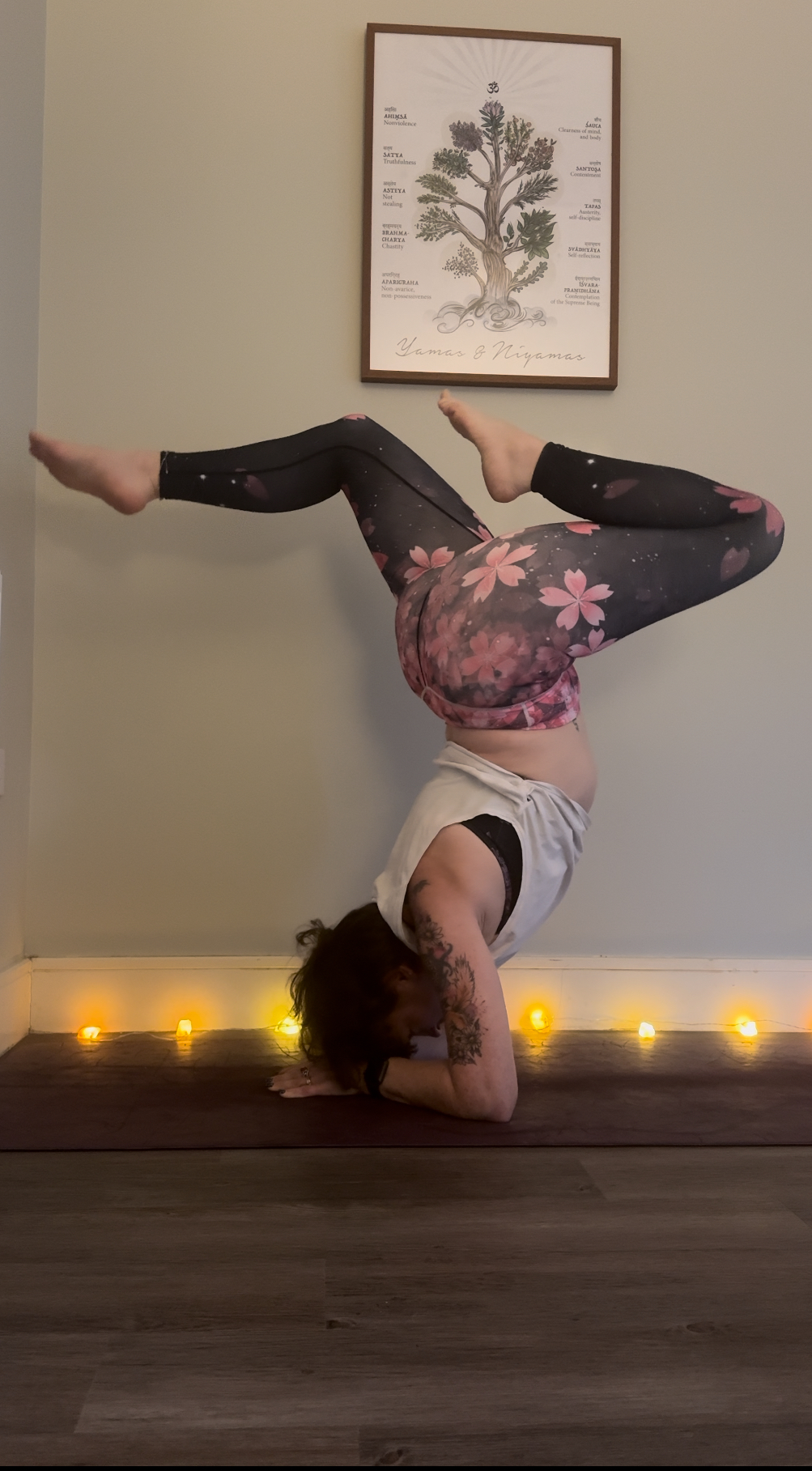

Change doesn’t have to be dramatic to be meaningful. In fact, the most lasting transformations often come from the smallest, most consistent efforts. This is the philosophy of Kaizen, a Japanese concept that translates to “continuous improvement.” It’s the idea that by focusing on getting just 1% better every day, you can achieve extraordinary results over time.
Kaizen is the opposite of the all-or-nothing mindset that so often holds us back. It doesn’t ask for perfection or overnight success. Instead, it invites us to embrace small, steady steps, trusting that they’ll add up to something remarkable. Whether you’re learning a skill like handstands, pursuing a career goal, or simply trying to create a calmer, more joyful life, Kaizen is a principle you can apply to anything.
Kaizen and the 1% Rule
The magic of Kaizen lies in its simplicity:
• Instead of overwhelming yourself with massive changes, you focus on small, manageable improvements.
• Instead of asking, “How can I achieve this huge goal?” you ask, “What’s one small thing I can do today to move closer to it?”
Imagine improving just 1% every day. It may not sound like much, but over time, those small gains compound. By the end of one year, you wouldn’t just be 365% better—you’d be 3,678% better. And if you kept up that 1% improvement every day for three years, you’d be a staggering 5,393,817% better—over 53,000 times better than when you started.
This principle works because it reduces the resistance that often accompanies big changes. It’s not intimidating to aim for 1% better, so you’re more likely to stick with it. And consistency is where the magic happens.
Kaizen and Handstands: Small Steps, Big Progress
Let’s take handstands as an example of Kaizen in action.
When you first think about doing a handstand, it might feel impossible. The balance, the strength, the coordination—it can seem overwhelming. But the Kaizen approach reminds us to break the process down into small, manageable steps. It’s not about trying to do the whole thing at once; it’s about building a foundation and progressing incrementally.
Here’s how a handstand journey might look when broken into simple beginner milestones:
1. Build Strength with Foundational Exercises
Before even attempting to go upside-down, focus on building strength and awareness in your core, shoulders, and wrists. These are the building blocks of a solid handstand.
• Plank Holds: Start with holding a high plank for 10-20 seconds, focusing on engaging your core and pushing through your shoulders. Gradually increase your hold time as you get stronger.
• Wall Push-Ups: Stand a few feet away from a wall, place your hands on the wall, and do push-ups to strengthen your shoulders. Over time, move closer to the floor for more challenge.
• Wrist Warm-Ups: Roll your wrists, stretch your fingers, and practise gentle wrist strengthening exercises to prepare your hands for bearing weight.
2. Master Weight-Shifting
Learning to control your weight on your hands is a key milestone. You don’t need to go fully upside-down to practise this.
• Tabletop Rocking: From a tabletop position (hands and knees on the floor), gently shift your weight forward onto your hands, keeping your elbows straight. This builds confidence in bearing weight on your arms.
• Downward Dog Weight Shifts: From a downward dog pose, rock your body forward slightly so your shoulders move over your wrists, then rock back. This strengthens your shoulders and teaches control.
3. Kick Up Safely Against a Wall
Once you’ve built some strength and confidence, start working with the wall as your safety net.
• Wall Walks: Begin in a plank position with your feet near the wall. Walk your feet up the wall slowly until your body forms an angled “L” shape. Hold for a few seconds, then walk back down. This introduces the sensation of being upside-down without fully committing to a handstand.
• Half-Kick Ups: Face away from the wall, place your hands on the floor, and gently kick one leg up toward the wall. Don’t aim for full height—just get used to the motion. As you build confidence, kick higher until one foot touches the wall.
4. Balance with Wall Support
Once you’re comfortable kicking up, use the wall to work on your balance.
• Wall Taps: Kick up into a handstand against the wall, and slowly lift one foot off the wall at a time. Tap it back if needed. Over time, work on balancing both feet away from the wall for short periods.
• L-Shaped Holds: With your feet on the wall and your body in an “L” shape, practise lifting one leg at a time while maintaining balance and control.
5. Work Toward Freestanding Handstands
Freestanding handstands come with time and practice, but small steps will get you there.
• Free Kicks: Move away from the wall and practise kicking up into a freestanding handstand. Don’t worry about holding it yet—just work on controlled landings.
• Tuck Holds: From a crouched position, place your hands on the floor and practise jumping your feet off the ground into a tuck. This builds control and strength for freestanding balance.
Each of these milestones builds on the previous one, creating a step-by-step path to progress. You don’t have to master every step in a day, a week, or even a month. The goal is to show up consistently and aim for 1% better every time. Some days (maybe most days) it will feel like nothing changes, but these consistent efforts and small improvements are all adding up and you will start reaching your goals before you know it.
With Kaizen, every tiny improvement—whether it’s holding a plank for an extra second or feeling more confident kicking up—adds up. One day, what once felt impossible will feel natural.
Applying Kaizen to Everyday Life
Kaizen isn’t just for big, lofty goals—it’s for everything. Here are a few examples of how you can use the 1% rule in different areas of your life:
Health and Fitness
• Instead of committing to an hour-long workout every day, start with 10 minutes of movement.
• Swap one unhealthy snack for a nourishing one.
• Add one extra glass of water to your day.
Career and Productivity
• Spend 10 minutes each morning planning your most important task.
• Improve one small part of a project you’re working on.
• Learn a single new skill or tool that will make your work easier.
Personal Growth
• Read one page of a book each night.
• Practise mindfulness for 2 minutes a day.
• Write down one thing you’re grateful for before bed.
Relationships
• Send a kind text to a friend you’ve been meaning to reconnect with.
• Spend 5 extra minutes listening to your partner without distractions.
• Do one small act of kindness for someone you care about.
Overcoming the Need for Instant Results
One of the biggest challenges with Kaizen is the temptation to expect immediate results. We live in a world that values quick wins and overnight success, but Kaizen teaches us to be patient.
Progress isn’t always obvious in the moment. You might not see the impact of those daily 10-minute practices or small habit changes right away. But over weeks and months, those tiny efforts compound.
Kaizen also helps us overcome the fear of failure. When the stakes are low—when you’re just trying to get 1% better—it feels safe to experiment and take risks. Mistakes become part of the process, not something to fear.
The Beauty of Kaizen
The beauty of Kaizen is that it works for everyone. You don’t need to be an expert. You don’t need to have all the answers. All you need is the willingness to start small and keep going.
Kaizen isn’t just about achieving goals; it’s about creating a mindset of growth and possibility. It reminds us that every little action matters and that progress is always within reach.
Final Thoughts: A Life Transformed by Small Steps
Whatever your goal—whether it’s mastering a handstand, finding more joy in your daily routine, or transforming your career—Kaizen invites you to take it one step at a time.
Focus on what you can do today, no matter how small it feels. Trust that every tiny improvement is a step toward the life you want. And remember, the secret to big change isn’t in doing everything perfectly—it’s in showing up consistently, with patience and faith in the process.
Start small. Aim for 1% better. And watch how those tiny steps create something extraordinary.

Comments