The Myth of Self-Care: When Self-Indulgence Becomes Self-Harm
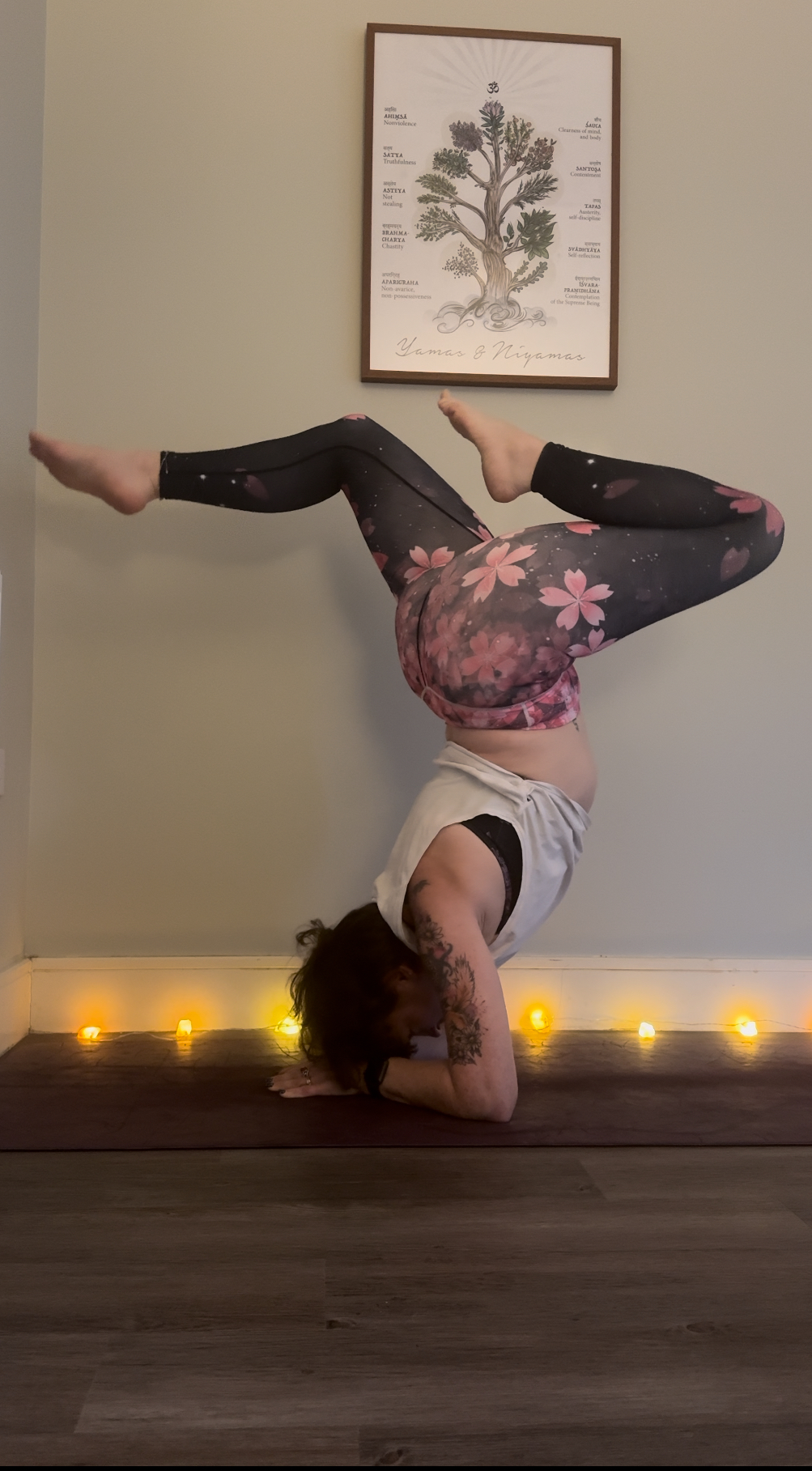
Self-care is everywhere these days – on social media, in advertising, in conversations with friends. And while it’s wonderful that more people are recognising the need to prioritise their well-being, there’s a problem: much of what we’ve been sold as “self-care” isn’t really care at all. In fact, many of the things we turn to in the name of self-care can actually be self-harm in disguise.
The media and marketing industries have painted a picture of self-care that’s synonymous with indulgence. It’s the third bottle of wine shared with friends because you “deserve it after a hard week.” It’s the tub of ice cream devoured on the sofa because “you’ve earned it.” It’s a weekend spent binge-watching an entire season of a show because “you just need to check out.”
And while these things might feel comforting in the moment, they often leave us feeling worse. Full but empty. Relaxed but restless. Pampered but disconnected. It’s a cycle of overindulgence that creates a jarring sense of cognitive dissonance – that uneasy feeling when our actions don’t align with our deeper needs or values.
The Problem with Indulgent “Self-Care”
When we talk about indulgence as self-care, we’re often seeking relief. Life is hard, and the narratives around indulgence tell us that we deserve to escape, to consume, to abandon structure for a while. And let’s be clear: there’s nothing inherently wrong with treating yourself. A glass of wine, a slice of cake, or a Netflix marathon isn’t going to ruin your life.
But when these indulgences become our primary form of care, they often cross a line. Instead of replenishing us, they deplete us. We’ve all been there: you treat yourself to a binge of your favourite show, only to realise at the end that you’ve lost hours you can’t get back, you’re more tired than ever, and you haven’t addressed the stress you were trying to escape.
These moments feel good in the short term but bad in the long term. They fail to meet our actual needs, leaving us in a worse state than before. And because the media glorifies this kind of self-care, we convince ourselves it’s what we should be doing, even when it doesn’t feel right.

Why This Creates Cognitive Dissonance
Cognitive dissonance occurs when there’s a conflict between our actions and our values or beliefs. When we engage in behaviours that we think should be nourishing but end up feeling harmful, it creates a mental and emotional disconnect.
For example:
-You tell yourself you’re “treating yourself” by eating junk food, but afterwards, you feel sluggish, unwell, or guilty.
-You justify staying up late watching TV because you “deserve to relax,” but the next morning, you’re exhausted and annoyed at yourself.
-You scroll on your phone for hours because you want to “check out,” but you end up feeling disconnected, anxious, and unfulfilled.
This disconnect is jarring, and over time, it erodes our sense of self-worth. We start to question whether we’re capable of taking care of ourselves at all, which impacts our mental health.
What Self-Care Really Looks Like
True self-care isn’t about indulgence; it’s about nourishment. It’s about meeting your deeper needs in ways that leave you feeling aligned, energised, and cared for – not just in the moment, but long after.
Here’s what self-care actually looks like:

1. Movement
Exercise isn’t always glamorous or instantly gratifying, but it works. Whether it’s yoga, a brisk walk, or dancing in your living room, movement improves your mood, boosts your energy, and helps your body release stress. Unlike indulgence, exercise leaves you feeling better, not worse.
2. Mindfulness
Taking time to sit quietly with your thoughts, meditate, or simply breathe is one of the most powerful forms of self-care. Mindfulness helps you process your emotions, calm your nervous system, and stay present. It’s not about escape – it’s about showing up for yourself.
3. Nourishing Food
True self-care is eating foods that fuel your body and mind. It’s not about deprivation or perfection but about choosing meals that make you feel good physically and emotionally. There’s a big difference between treating yourself to a thoughtfully prepared meal and mindlessly eating something that makes you feel worse afterward.
4. Restorative Rest
Rest isn’t just sleep – though getting enough sleep is vital. Rest also means taking breaks during the day, stepping away from screens, or enjoying quiet moments without feeling guilty. True rest recharges you, rather than numbing you.
5. Connection
Sometimes self-care isn’t about what you do alone – it’s about reaching out. Whether it’s talking to a friend, joining a class, or spending time with loved ones, connection is a deeply restorative form of care.
6. Self-Reflection
Journaling, reflecting on your goals, or taking stock of your emotions can be transformative. These practices help you realign with your values and course-correct when your habits drift away from what truly matters.
Breaking the Myth of Self-Care
The myth that self-care is all about indulgence is damaging because it keeps us stuck in patterns that don’t actually serve us. True self-care often requires effort and intentionality. It’s not always convenient or instantly gratifying, but it creates a sense of alignment and fulfilment that indulgence never will.
Next time you’re tempted to escape into the kind of “self-care” that leaves you feeling worse, ask yourself this: Will this nourish me, or will it deplete me? What do I actually need right now?
Self-care isn’t about perfection. It’s about consistently showing up for yourself in ways that meet your deeper needs. When you shift your mindset from indulgence to nourishment, you’ll find that the things you once thought of as “work” – like exercising, eating well, and practising mindfulness – are actually the greatest gifts you can give yourself.
Because real self-care isn’t about escaping your life. It’s about creating one you don’t want to escape from.

Comments