The Pyramid of Change: How to Build New Habits
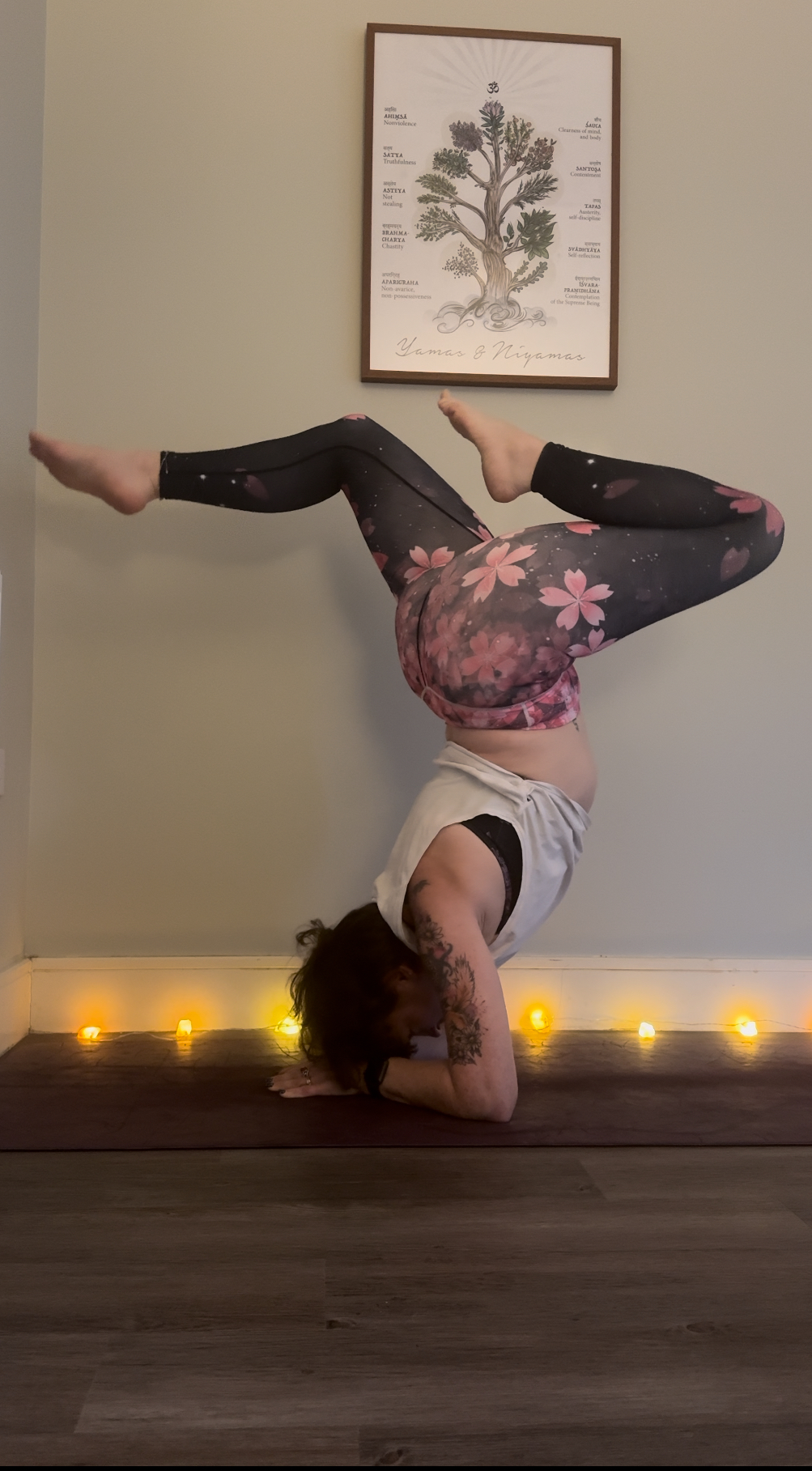
Creating new habits isn’t about willpower, and it’s definitely not about waking up one day and deciding, “I’m a whole new person!” Let’s be honest – if it were that easy, we’d all have flawless routines by now. Real change – the kind that actually sticks – is about understanding how habits are formed, overcoming roadblocks along the way, and building them step by step.
That’s where the Pyramid of Change comes in. This powerful framework explains how your environment, behaviours, capabilities, values, and identity all build toward a deeper sense of purpose. By working through each level of the pyramid, you can create sustainable habits, overcome resistance, and transform your life.

Here’s how it works:
Step 1: Environment – Setting the Stage for Change
At the base of the pyramid is your environment. Why? Because the space around you influences your habits more than you think.
If your goal is to eat healthier, start by stocking your fridge with fresh fruits and veggies and putting junk food out of sight. Want to exercise more? Lay out your workout clothes the night before or leave your yoga mat unrolled in the living room. These small changes remove the friction that often gets in the way of action.
Willpower alone won’t cut it if your environment works against you. If you’re surrounded by distractions or temptations, even the best intentions can falter. Your environment is like a silent partner in habit change – set it up to support your goals, not sabotage them.
Step 2: Behaviours – Taking Small, Consistent Actions
Above environment are behaviours – the small, consistent actions you take every day. These are the tiny habits that build momentum.
Let’s say you want to become more active. Start by walking for five minutes each day or stretching when you wake up. These small behaviours create neural pathways in your brain – shortcuts that make the actions feel more automatic over time.
But what about when life gets busy, and that little voice says, “I don’t have time”? That’s resistance talking. The trick here is to lower the barrier to entry. Commit to such a small, laughably easy action that your brain can’t argue. Five minutes of stretching is better than skipping it entirely. A single glass of water is progress. Don’t let perfection be the enemy of action – small steps count.
Step 3: Capabilities – Building Skills Over Time
As your behaviours become consistent, they naturally evolve into capabilities. Capabilities are the skills you build through repetition and practice.
For example, if you’ve been consistently walking every day, you might find you’re ready to jog. If you’ve been practising mindfulness, you’ll notice it becomes easier to stay calm and focused in stressful situations. Similarly, regular yoga practice will improve your flexibility, strength, and ability to connect with your breath.
Here’s the challenge: as you build skills, you might hit a wall. Maybe it’s boredom, or maybe progress feels slower than expected. This is when you need to remind yourself why you started and celebrate small wins – like feeling more focused after meditation or noticing improved posture from yoga. Progress is often subtle, but it’s happening. Stick with it.
Step 4: Values and Beliefs – Aligning with What Matters
The next layer of the pyramid is values and beliefs. As your habits and capabilities develop, you’ll start to notice they align with what matters most to you.
For instance, drinking more water or exercising regularly might reinforce your belief that you value health and self-care. But sometimes, old beliefs will fight back. You might think, “I’ve never been a disciplined person,” or “I always give up eventually.”
This is where you challenge those thoughts. Every small action you take is evidence that you are becoming the kind of person who values consistency and self-care. Values and beliefs evolve through action, not the other way around. Keep showing up, and your mindset will shift to match your habits.
Step 5: Identity – Becoming the Person You Want to Be
As your habits and values solidify, they begin to shape your identity.
You’re no longer someone who’s trying to be healthy – you are a healthy person. You stop thinking of your habits as things you do and start seeing them as part of who you are.
But identity shifts aren’t always smooth. You might face resistance from others – people questioning why you’re suddenly exercising or prioritising self-care. Their resistance is about them, not you. Stay grounded in your “why,” and trust the process. Your identity will solidify as you align your actions with your values.
Step 6: Purpose – The Why Behind It All
At the very top of the pyramid is purpose – your deeper “why.”
When your habits align with your identity and your values, you start to live with greater purpose. Whether it’s being more present for your family, feeling more energised in your work, or simply showing up as the best version of yourself, your purpose fuels your commitment to your habits.
If you ever feel stuck, reconnect with your purpose. Ask yourself: “Why did I start this journey in the first place?” Purpose is the compass that keeps you moving forward, even when the road gets tough.
Final Thoughts: Building Your Pyramid of Change
The Pyramid of Change shows us that transformation starts at the foundation. Most people try to start at the top – wanting to change their identity or find their purpose without addressing their environment or behaviours first. But lasting change happens when you build upward, layer by layer.
Start with your environment. Take small, consistent actions, and let those actions evolve into skills, beliefs, and a new sense of who you are. And when resistance shows up – whether it’s boredom, doubt, or external pressure – remind yourself that small changes do lead to big results.
Your habits aren’t just things you do – they’re votes for the person you want to become. Build your pyramid, brick by brick, and watch as your small changes create something extraordinary.
So, what’s one small habit you’ll start building today? Let me know in the comments!

Comments