Why Yoga and Mindfulness Are Lifelines for Women with ADHD - Especially In Our 40s and Beyond
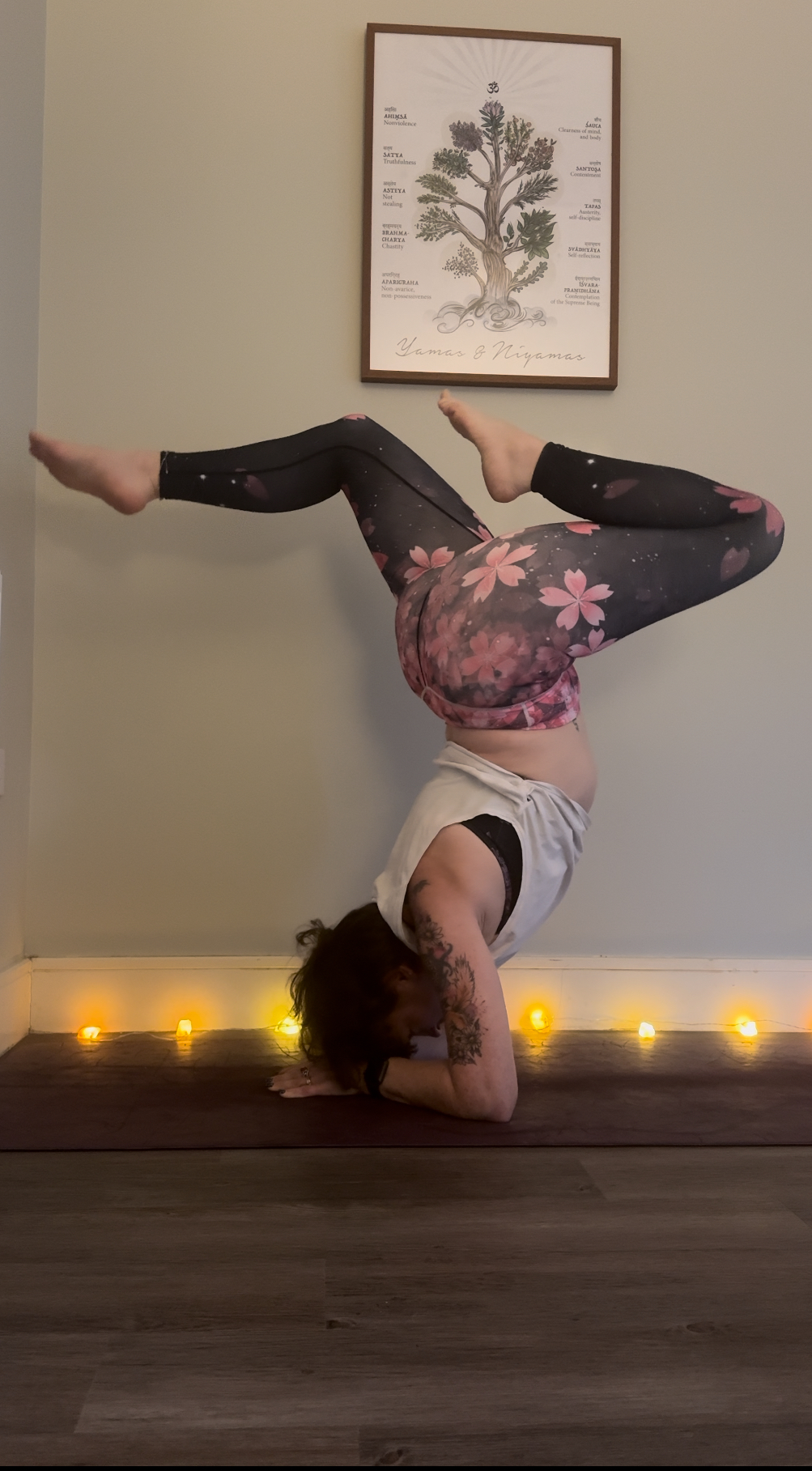

For many women, reaching our 40s is a time of transition—a shift in priorities, a growing awareness of what truly matters, and, for some, the shocking realisation that we've been living with undiagnosed ADHD our entire urlives.
ADHD in women is notoriously underdiagnosed. For decades, many women have learned to “mask” their symptoms, relying on self-care routines, organisational hacks, and sheer willpower to get through. But when perimenopause enters the picture, bringing its own challenges—fluctuating hormones, brain fog, mood swings—those coping mechanisms often stop working.
Suddenly, the constant overwhelm, forgetfulness, and struggle to focus feel unmanageable. It’s at this point that many women are finally diagnosed with ADHD, a revelation that can be both freeing and frustrating.
The good news? Yoga and mindfulness can be game-changers for women navigating this dual challenge of ADHD and perimenopause. Here’s why these practices are so powerful, and how they can help you regain a sense of calm, clarity, and control.
ADHD, Perimenopause, and the Perfect Storm
ADHD in women often looks different than it does in men. Instead of hyperactivity, it may manifest as internal restlessness, forgetfulness, emotional overwhelm, and difficulty with organisation. For years, many women learn to compensate by over-preparing, multitasking, or hyper-focusing on work or family responsibilities.
But perimenopause brings hormonal changes that can exacerbate ADHD symptoms:
Estrogen and Dopamine: Estrogen plays a key role in regulating dopamine, the neurotransmitter responsible for focus, motivation, and emotional regulation. As estrogen levels fluctuate, dopamine activity can become erratic, intensifying ADHD symptoms.
Cognitive Challenges: Many women experience brain fog, memory lapses, and difficulty concentrating during perimenopause—challenges that overlap with ADHD symptoms, making it harder to discern what’s what.
Emotional Sensitivity: Perimenopause heightens emotional reactivity, amplifying the impulsivity and emotional dysregulation often associated with ADHD.
The result? Many women feel as though they’re losing control, unable to manage their lives in the ways they once could. This is where yoga and mindfulness come in.
Why Yoga and Mindfulness Work So Well for Women with ADHD
1. They Calm the Nervous System
Women with ADHD often live in a heightened state of arousal, bouncing between fight-or-flight and hyper-focus. Yoga and mindfulness activate the parasympathetic nervous system, shifting you into rest-and-digest mode.
Yoga’s Role: Slow, intentional movement combined with deep breathing calms the body and mind, reducing stress and anxiety.
Mindfulness’s Role: Mindfulness teaches you to notice your thoughts and feelings without judgment, helping you respond rather than react.
Regular practice helps regulate the nervous system, making it easier to stay present and grounded—even in the face of overwhelm.
2. They Improve Focus and Attention
ADHD can make it feel impossible to focus, as your brain constantly jumps from one thought to another. Yoga and mindfulness strengthen the prefrontal cortex, the part of the brain responsible for focus, decision-making, and impulse control.
Mindfulness Meditation: Even a few minutes of meditation each day trains your brain to notice distractions and gently return to the present moment. This improves your ability to focus over time.
Yoga Flow: The structured yet fluid sequences in yoga encourage single-tasking, helping you practise sustained attention in a low-pressure environment.
By engaging both your body and mind, these practices create a sense of flow that feels natural and rewarding for women with ADHD.
3. They Cultivate Emotional Regulation
Emotional sensitivity is a hallmark of ADHD, and perimenopause can amplify this sensitivity tenfold. Yoga and mindfulness help you navigate emotional ups and downs with greater ease.
Breathwork: Techniques like diaphragmatic breathing or alternate nostril breathing activate the vagus nerve, promoting a sense of calm and reducing emotional reactivity.
Mindful Awareness: Mindfulness helps you observe your emotions without becoming overwhelmed by them. Instead of reacting impulsively, you can choose how to respond.
These tools give you the space to pause, reflect, and regulate your emotions, even during challenging moments.
4. They Create a Routine That Feels Empowering
Women with ADHD often struggle with consistency and routines. Yoga and mindfulness offer structure without rigidity, making them accessible and sustainable.
Yoga as a Ritual: Whether it’s a five-minute stretch in the morning or a longer practice in the evening, yoga can become an anchor in your day—something you look forward to and rely on.
Mindfulness on the Go: Mindfulness doesn’t require a formal setup. You can practise it while brushing your teeth, waiting in line, or walking to work.
These practices are flexible enough to fit into your life, no matter how chaotic it feels, and their benefits build over time.
How to Get Started
1. Start Small
You don’t need an hour-long practice to see benefits. Start with five minutes of seated breathing or a short yoga flow. The key is consistency, not perfection.
2. Choose Accessible Tools
Find a yoga class or mindfulness app that resonates with you. Guided meditations or beginner-friendly yoga videos can make the process less intimidating.
3. Be Patient
Change takes time. Yoga and mindfulness aren’t quick fixes, but with regular practice, you’ll notice shifts in how you feel and respond to life’s challenges.
4. Seek Support
Join a class or community that understands your journey. Practising alongside others can provide encouragement and accountability.
Final Thoughts: A Path to Clarity and Calm
For women with ADHD navigating the complexities of perimenopause, yoga and mindfulness offer more than stress relief—they offer a lifeline. These practices address the root causes of overwhelm, helping you calm your nervous system, focus your mind, and regulate your emotions.
If you’re feeling lost or out of control, know that there’s a path forward. Yoga and mindfulness don’t just help you manage your symptoms—they help you reconnect with yourself and create a life that feels calmer, clearer, and more aligned.
Start small. Breathe deeply. And trust that every moment of practice is a step toward feeling more like yourself again.

Comments